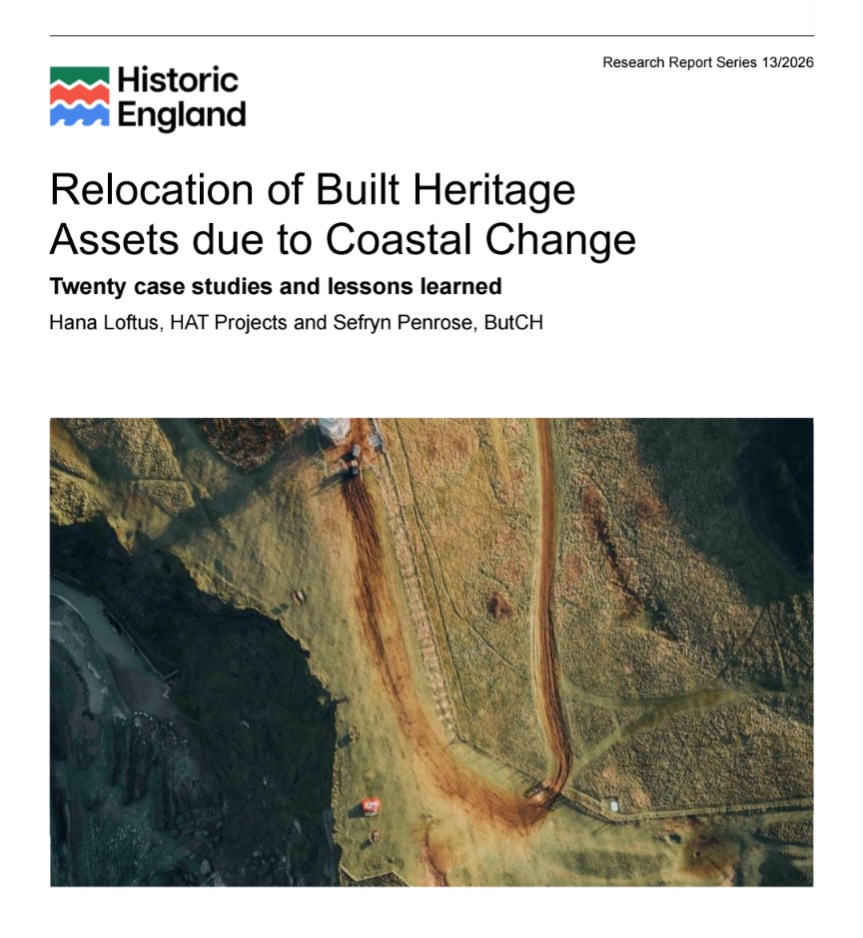
We collaborated with the Bureau for the Contemporary and Historic on this fascinating research study as part of Historic England's Coastal Loss workstream, which explores the future of historic structures threatened by climate change. Our brief was to research methods and case studies of relocating buildings, and to suggest when and how this may be appropriate for structures that may be otherwise lost to the sea in coming years.
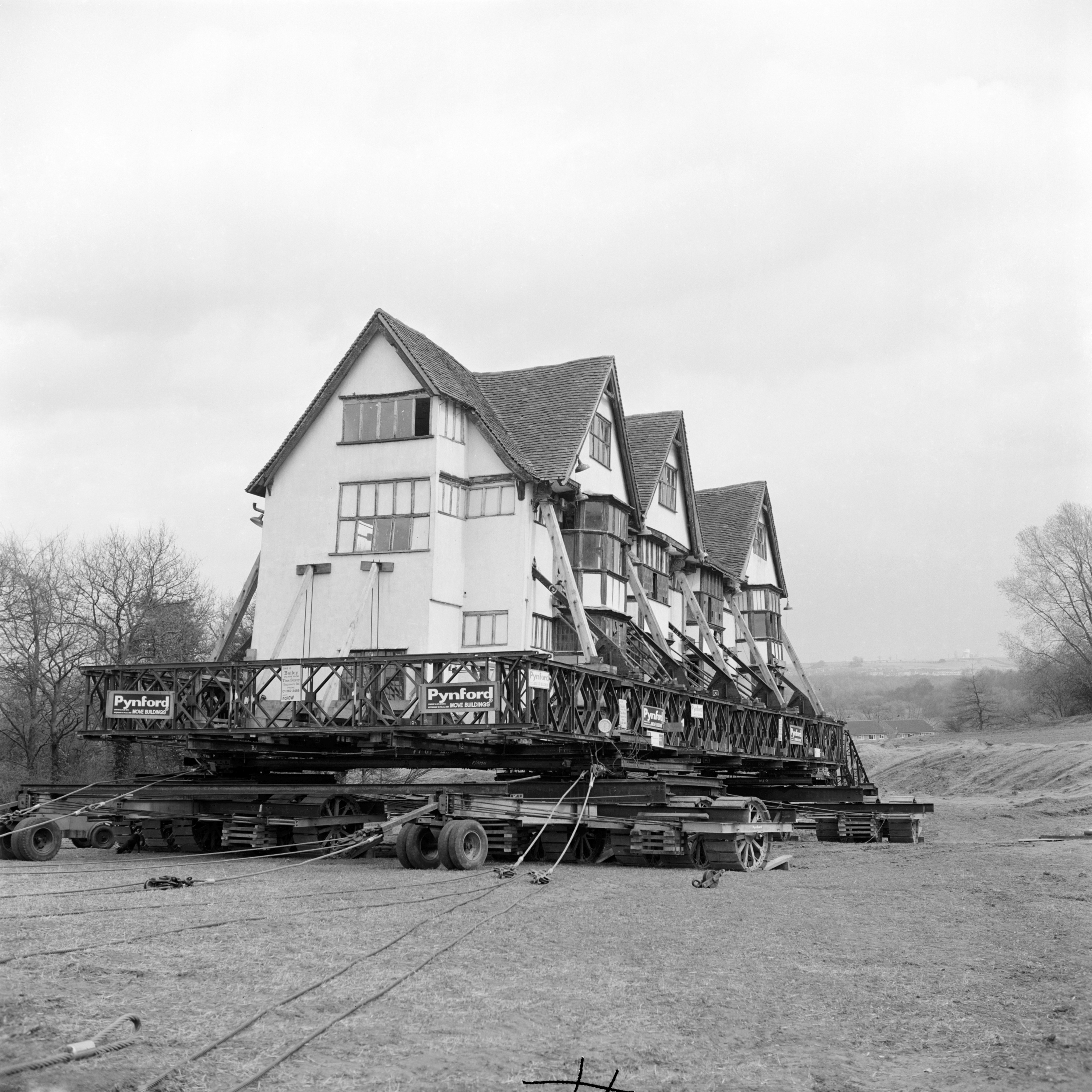
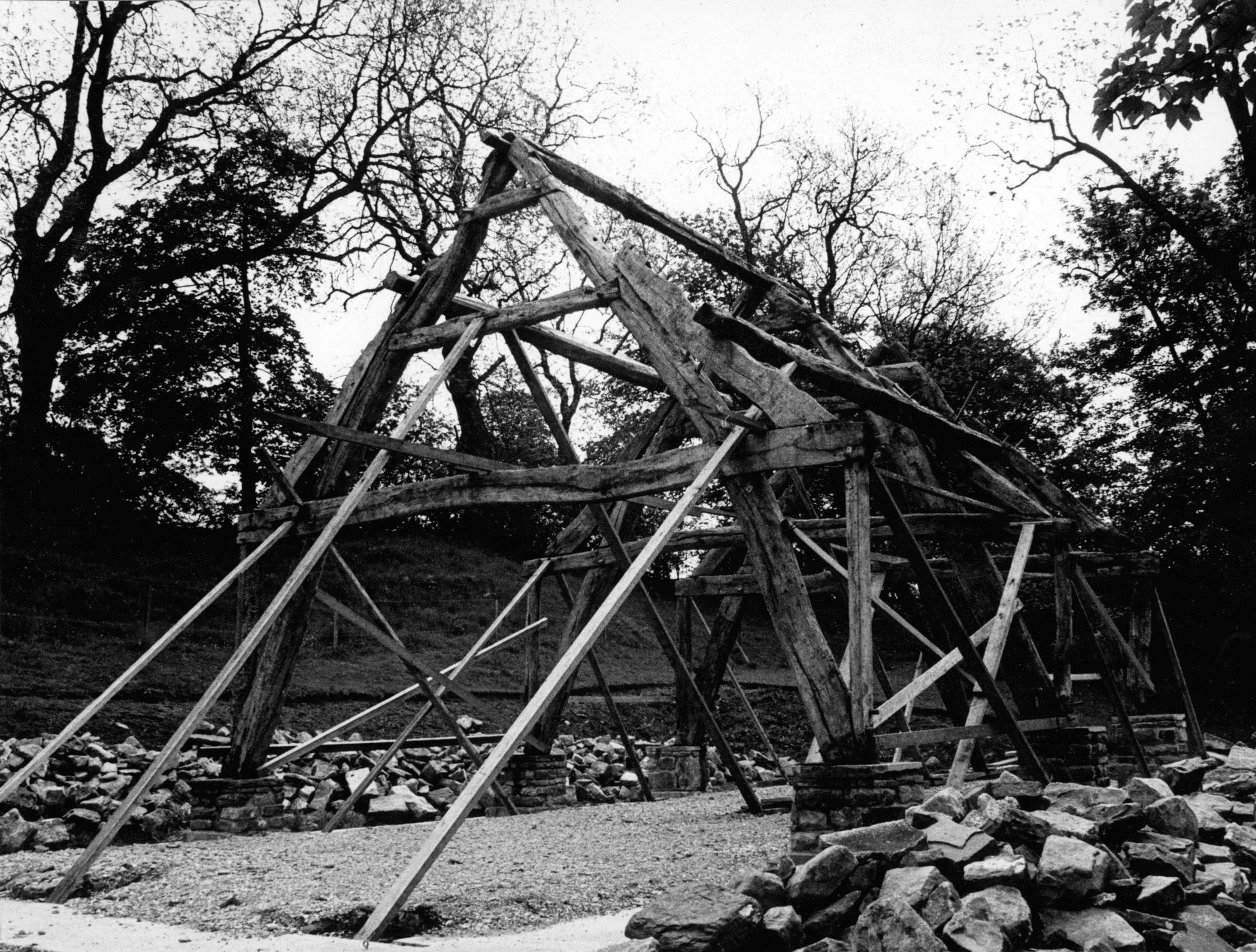
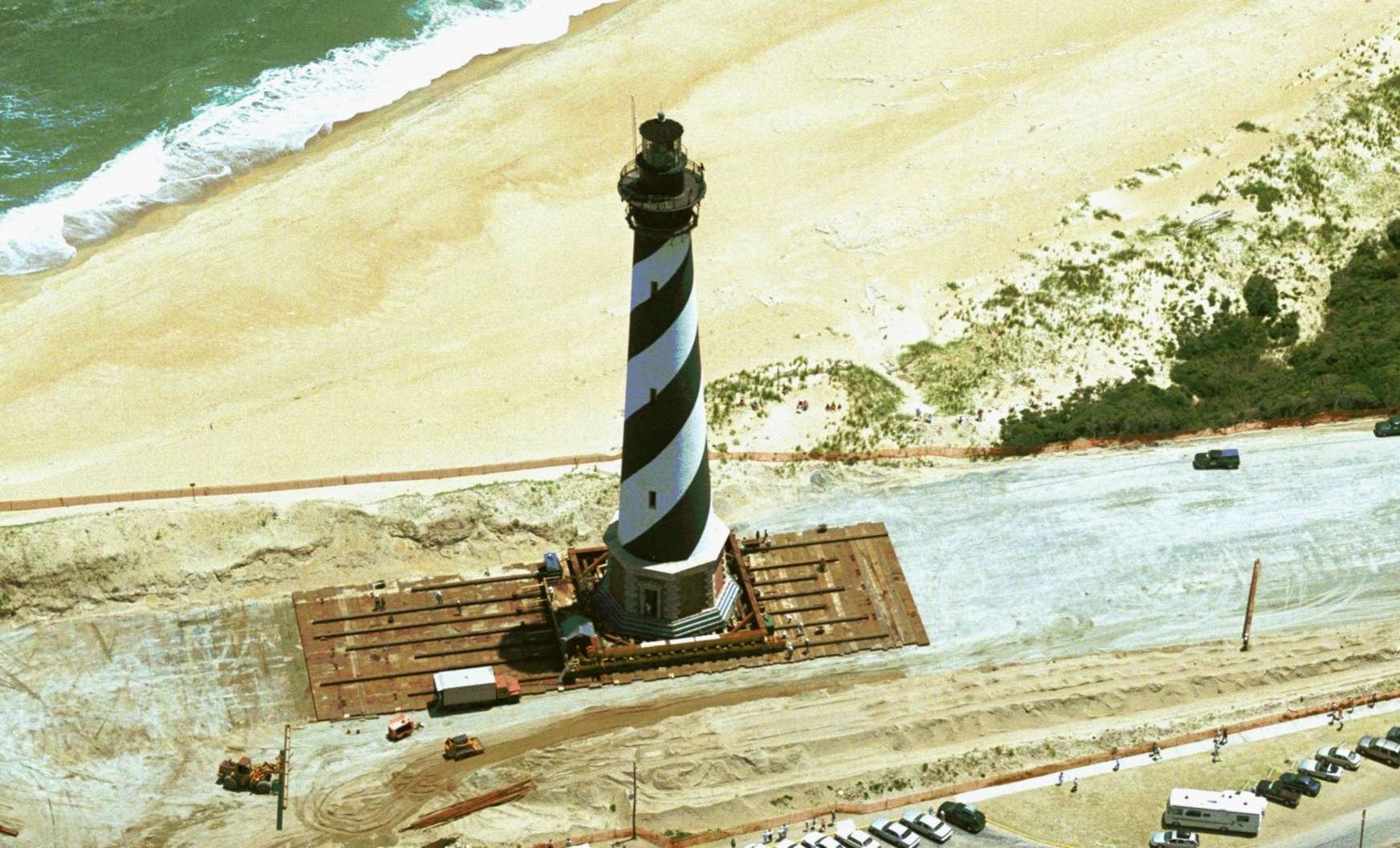
Relocating buildings has a long history and in many cases has added to, rather than detracted from, the stories and significance of historic structures to their communities. We conducted a literature review on building relocation, ranging from the historically common practices of moving buildings due to nomadism or migration through to more recent practice internationally. We longlisted a huge range of relocated structures for further study, and researched a shortlist of twenty projects, ranging from a 4,000 tonne lighthouse to a K9 phone box, which demonstrated useful lessons. Interviewing those involved with the relocations gathered valuable technical insights as well as understanding of the community, policy and funding challenges and opportunities.
The report ends with recommendations for policy and practice, including how the NPPF and other planning frameworks can make space for relocation as an active strategy which should be considered if the alternative is likely to be total loss. Read the full report.